How to choose the best boiler installation company near you

Boiler Installation

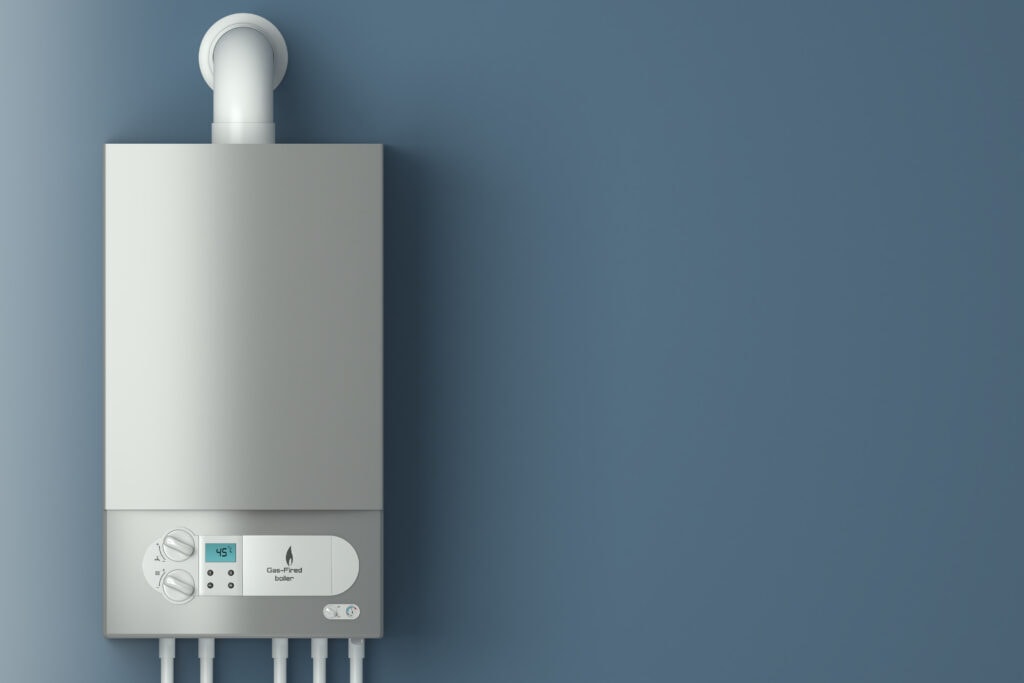
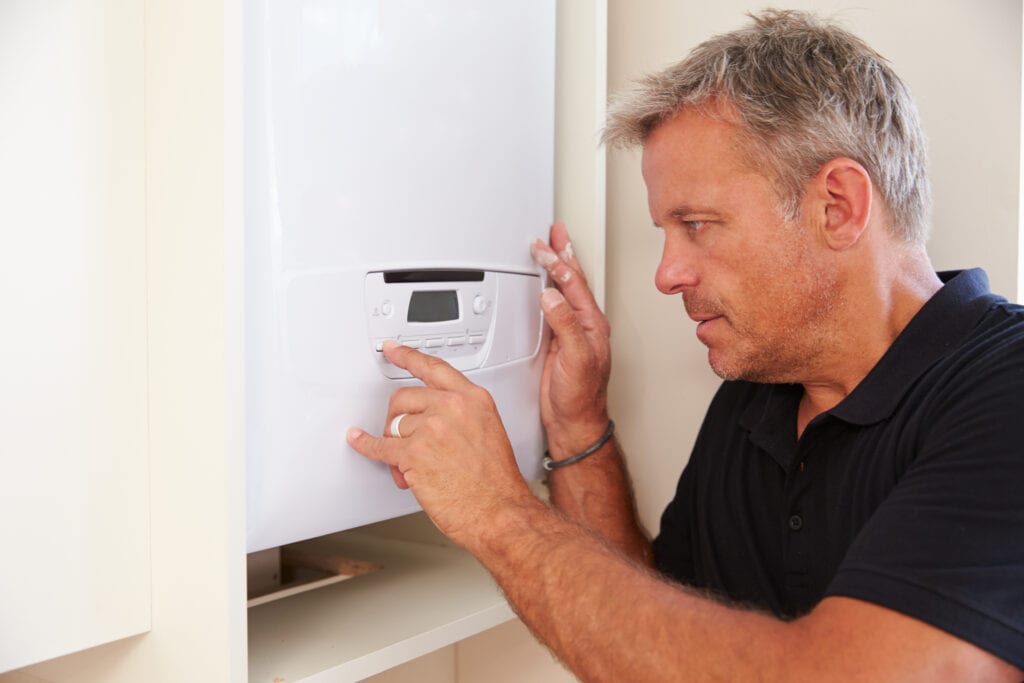
Choosing the best boiler installation company in Essex, London, or Kent is crucial for ensuring your heating system is safe, efficient, and built to last. Whether you’re replacing an old boiler or installing a new one for the first time, working with experienced, Gas Safe Registered engineers can save you time, stress, and money in the long run.

A new boiler is not just a home improvement – it is an investment in your comfort, safety, and energy efficiency. Choosing the wrong company can lead to higher running costs, unexpected breakdowns, and even safety issues. That’s why it’s important to work with qualified experts who understand your property, provide clear communication, and deliver reliable aftercare. A trusted installer won’t just fit a boiler; they’ll help you future-proof your heating system for years to come.

In this guide, we’ll help you understand what to look for when selecting the best boiler installation company near you – and why so many homeowners and landlords trust Essex Boiler Group.

What to look for in a trusted boiler installation company near you

1. Gas Safe Registered engineers

Always check that your boiler installer is Gas Safe Registered. This legal requirement ensures that engineers are fully qualified to work safely on gas appliances.

How to verify:

2. Experience and local reputation

Established companies with a strong track record are more likely to provide reliable service and high-quality workmanship.

Look for:

3. Transparent pricing with no hidden fees

The best boiler installers will provide you with an honest, upfront quote that includes a clear breakdown of costs.

Before you commit, ask for:

4. Range of boiler options and advice

Every home is different, so choose a company that helps you pick the best boiler type for your needs:

A good installer will explain the pros and cons of each option and recommend the best choice for your home.

5. Emergency services and ongoing support

A reliable company doesn’t just install boilers – they also keep them running smoothly.

Look for:

Boiler installer checklist

Before choosing a boiler installation company, ask:

Why choose Essex Boiler Group as your best boiler installation company in Essex, London and Kent?

At Essex Boiler Group, we offer:

Get a free quote from Essex Boiler Group today

Looking for expert boiler installation in Essex, Kent, or London? Contact Essex Boiler Group today for a free, no-obligation quote and trusted advice from our friendly team of Gas Safe engineers.

Common reasons for heating issues when using hot water

Faucet,And,Water

Many homeowners notice that their heating activates when they only expect hot water. In this article we explore common causes for hot water and heating issues and explain how to fix them, as well as share information about our comprehensive boiler installation and replacement services.

Faulty motorised valve (diverter or 3-port valve)

One of the most common causes of hot water and heating issues is a faulty motorised valve, which controls whether hot water is sent to your radiators, hot water cylinder or both. There are two main types of motorised valves. The diverter valve (in combi boilers) directs hot water to either the radiators or taps, while the 3-port valve (in system and conventional boilers) directs hot water to the hot water cylinder, radiators or both. If the valve is stuck or faulty, hot water may be flowing into the radiators when you only want hot water for taps or showers.

How to fix it

Try manually moving the valve using the switch on the side. If the valve does not move or stays in one position, it may need repair or replacement by a heating engineer. A stuck or broken motorised valve should be fixed by a Gas Safe Registered professional to ensure safe operation.

Incorrect boiler or timer settings

Sometimes hot water and heating issues are due to incorrectly programmed heating controls. If you have a traditional programmer, check that the hot water and heating schedules are set correctly. Some older timers have settings that automatically activate the heating when hot water is requested.

How to fix it

Check your boiler and thermostat settings. Try adjusting the timer or reprogramming your heating schedule. If you are unsure, consult the boiler manual or contact one of our Essex Boiler Group heating engineers.

Faulty thermostat or room temperature

A faulty room thermostat can send incorrect signals to the boiler, causing the heating to turn on even when it is not needed. This can happen if the thermostat misreads the room temperature or remains stuck in the on position.

How to fix it

Check the thermostat settings to ensure it is correctly programmed. Replace the batteries in wireless thermostats if necessary. If the issue persists, it may need repair or replacement. Upgrading to a modern, smart thermostat can help prevent these issues and improve energy efficiency.

Gravity-fed heating system (older systems only)

In older gravity-fed heating systems, the design may cause radiators to heat automatically whenever hot water is being heated. In this setup, hot water rises naturally to the radiators when the boiler is running. The only way to stop this is by installing a motorised valve to control the flow.

How to fix it

One of our Essex Boiler Group heating engineers can install a zone valve to separate the hot water and heating circuits. Consider upgrading to a modern system boiler or combi boiler for better efficiency and control.

Boiler wiring or electrical faults

In rare cases, wiring issues in your boiler or heating system can cause incorrect signals, making the heating come on when it should not. Signs of electrical faults include the heating and hot water turning on and off unpredictably, the boiler failing to respond to thermostat settings, and fluctuating heating performance with radiators heating up unexpectedly.

How to fix it

Turn off your boiler and restart it to see if the problem persists. If the issue continues, contact a qualified heating engineer from the Essex Boiler Group to inspect the wiring and controls.

How to prevent hot water and heating issues in the future

Book an annual boiler service to check for faulty components. Test your thermostat regularly to ensure it is working correctly. Check the heating and hot water settings on your boiler and programmer. Bleed radiators if they are getting warm when they should not be. Upgrade an old heating system if it is outdated and inefficient.

When to call a heating engineer

If your heating turns on whenever hot water is used, if radiators heat up even when the thermostat is off, if you suspect a faulty diverter valve or motorised valve, or if your boiler or thermostat is not responding properly, it is best to contact a professional. Our Essex Boiler Group Gas Safe Registered engineers will identify the issue and provide a cost-effective solution to restore your heating system’s efficiency.

Why choose Essex Boiler Group?

We employ Gas Safe Registered engineers to ensure safe and professional service. Our fast, reliable repairs solve heating and hot water problems quickly, while our boiler servicing and system checks help prevent future issues. With competitive pricing and no hidden fees, our clear upfront quotes make us a trusted local business serving homeowners across Essex, Kent and London.

Book a heating system inspection today

If you are experiencing hot water and heating issues, do not ignore the signs. A small fault can quickly turn into a bigger, more expensive problem if left unresolved. Call us today to book a professional inspection. Let Essex Boiler Group restore your heating system to full efficiency and save you money on energy bills.

Five signs your boiler needs a repair: How to spot issues before they cause damage 

Essex Boiler Group - Boiler installation & repair service - shutterstock 1894185154

Are you worried that your boiler might breakdown? As one of the most vital components in any home, it’s important to keep an eye out for signs that indicate it may need repair. A malfunctioning boiler not only leads to discomfort but can also cause serious damage if left undetected. In this blog post, we’ll explore the telltale signs that your boiler needs repair and offer tips on how to spot issues before they snowball into costly problems. From strange noises to fluctuating temperatures, we’ve got you covered with everything you need to know about keeping your home’s heating system running smoothly year-round. 

Introduction to boiler systems 

Boiler systems are complex, and when something goes wrong, it can cause extensive damage to your home and property. Spotting issues early on can help you avoid costly repairs. Here are some of the most common signs that your boiler system may need to be repaired: 

1. Strange noises

2. Leaks from the boiler

3. Irregular heating

4. Unusual smells

5. Increased utility bills

Strange sounds or noises from the boiler 

If you’re hearing strange noises or sounds coming from your boiler, it’s a sign that something is wrong and you should have it checked out by a professional as soon as possible. These sounds could be anything from a loud banging noise to a high-pitched squeal, and they’re usually indicative of an issue with the boiler itself or one of its components. 

If you’re hearing a loud banging noise, it could be caused by something called “kettling.” Kettling is when deposits of minerals build up on the inside of the boiler and cause it to overheat. This can damage the boiler and lead to expensive repairs. 

If you’re hearing a high-pitched squeal, it could be an indication that the bearings in the blower fan are starting to fail. If this is the case, you’ll need to replace the blower fan assembly. 

These are just two of the most common issues that can cause strange sounds or noises from your boiler. If you’re hearing any type of unusual sound coming from your boiler, it’s best to have it checked out by a professional as soon as possible to avoid further damage. 

Leaks from the boiler 

If your boiler is leaking water, it’s important to take action quickly. Not only is this a sign that something is wrong, but it can also lead to serious damage to your home if left unchecked. 

There are a few different ways to tell if your boiler is leaking water. One way is to check for puddles of water around the base of the unit. Another way is to look for drips or leaks coming from any of the pipes or fittings attached to the boiler. 

If you notice any leaks, it’s important to shut off the power to the boiler immediately and call a certified technician to come out and take a look. Trying to repair a boiler yourself can be extremely dangerous and should only be done by professionals. 

The boiler is not heating properly 

There are a few things that could cause your boiler to stop heating properly. The most common culprit is a dirty or blocked burner. If the burner is dirty, it won’t be able to create enough heat to warm the water. If the burner is blocked, the air can’t circulate properly and will also prevent the boiler from heating up. 

Another possible issue could be a problem with the thermostat. If the thermostat isn’t working properly, it might not be sending the signal to the boiler to turn on. Or, it could be turned down too low so that the boiler doesn’t think it needs to come on. 

There could be an issue with the pilot light. If the pilot light goes out, then there’s no way for the boiler to ignite and start heating up. 

Unusual smells or odours associated with the boiler 

If you smell anything unusual coming from your boiler, it’s important to take note and investigate the issue. Unusual smells can be indicative of a problem with the boiler itself, or with the gas line that supplies it. If you smell anything like sulphur or rotten eggs, this could be a sign of a gas leak. Gas leaks are extremely dangerous and should be dealt with immediately by evacuating the area and calling your gas company. Other smells to be aware of include burning dust or metal, which could indicate an electrical problem, or acrid smoke, which could signify that something is overheating. If you notice any of these smells, it’s important to shut off your boiler and call a qualified technician for help. 

High energy bills 

If your energy bills have been steadily increasing, it could be a sign that your boiler is not operating as efficiently as it once was. Boilers can lose efficiency for a number of reasons, such as build-up of sediment or corrosion. If your boiler is not operating at peak efficiency, it will have to work harder to heat your home, leading to higher energy bills. 

What to do if you notice these signs? 

If you notice any of the above mentioned signs, it’s important to call a boiler repair technician as soon as possible. Boiler problems never get better on their own and will only get worse with time. By calling a professional right away, you can avoid extensive damage and costly repairs down the road. 

Conclusion 

It is essential that you stay on top of your boiler maintenance to ensure it continues to serve you and your family for years to come. By recognising the signs listed above, you can spot issues before they cause damage and save yourself time and money in repairs or replacements. If your boiler is showing any signs of malfunctioning, be sure to contact a qualified Gas Safe Registered professional from Essex Boiler Group as soon as possible for repair services. 

Essex Boiler Group - Boiler installation & repair service - FC738FFF B522 4279 96DF 2EE1F89B5253 e1638727152753

Energy-saving tips for your home heating system: The importance of boiler flow temperature settings 

Happy,Woman,Using,Laptop,Near,Heating,Radiator,At,Home

Are you tired of paying high energy bills every winter? Do you want to keep your home warm and cosy without breaking the bank? Look no further! In this blog post, we will share some energy-saving tips for your home heating system that can make a significant difference in your monthly expenses. Today, we’ll focus on one critical aspect: boiler flow temperature settings. Follow along to discover how adjusting these settings can help you save money while still enjoying a comfortable living space.

Introduction 

If you have a boiler in your home, there are a few things you can do to make sure it is running as efficiently as possible. One important factor is the flow temperature setting.

The flow temperature of your boiler determines how hot the water will be in your heating system. If the water is too hot, it can cause damage to the system components. If the water is not hot enough, your home won’t be properly heated. You want to find a happy medium where the water is hot enough to heat your home but not so hot that it causes damage. 

One way to save energy with your boiler is to set the flow temperature lower than what is typically recommended. Most boilers come with a default setting of 70 degrees celsius but you can usually safely lower it to 60 or even 50 degrees without any problems. Doing this can save you a significant amount of money on your energy bill each month. 

Of course, every home is different and you may need to experiment a bit to find the perfect setting for your particular situation. But in general, lowering the flow temperature of your boiler is a great way to reduce energy consumption and save money. 

Why is the boiler flow temperature important? 

The boiler flow temperature is important for several reasons. First, it affects the amount of energy that is required to heat the water. If the boiler flow temperature is too low, the water will not be hot enough and will require more energy to heat. Second, the boiler flow temperature affects the efficiency of the heating system. If the boiler flow temperature is too high, the system will not be able to transfer heat as efficiently and will waste energy. The boiler flow temperature can affect the lifespan of your heating system. If the boiler flow temperature is too high, it can cause damage to the components of your system over time. 

How to adjust boiler flow temperature settings 

If you’re looking for ways to save on your home heating costs, adjusting your boiler’s flow temperature is a great place to start. By lowering the flow temperature, you can reduce heat loss and improve the efficiency of your system. 

Here’s a step-by-step guide on how to adjust your boiler’s flow temperature settings: 

1. Start by turning off the power to your boiler at the breaker box. 

2. Next, locate the flow temperature control knob on your boiler and turn it to the left to decrease the setting or to the right to increase the setting. 

3. Once you’ve made your adjustment, turn the power back on at the breaker box and check that the new setting is working by running some hot water through the taps. 

4. If everything is working as it should, you should start to notice a difference in your energy bills.

Tips for keeping your home heating system efficient and saving money 

You can save money on your heating bills by turning down the thermostat when you are not home or when you are asleep. 

Another way to keep your home heating system efficient and save money is to ensure your radiators are not blocked by furniture or curtains. Radiators work best when they are free from obstructions so they can evenly distribute heat throughout the room. You should also bleed your radiators regularly to remove any air bubbles which can prevent them from working properly. 

Conclusion 

Boiler flow temperature settings are an important factor when it comes to saving energy and money. It is vital that you understand the importance of boiler flow temperatures, as well as how to adjust them properly for maximum efficiency. If you follow these simple tips, your home heating system will be more efficient and cost-effective in the long run. Remember that making small changes can have a big impact on your monthly bills! Contact a Gas Safe Registered professional from Essex Boiler Group for more information.

Essex Boiler Group - Boiler installation & repair service - FC738FFF B522 4279 96DF 2EE1F89B5253 e1638727152753

A beginner’s guide to air source heat pumps: Installation and running costs 

Essex Boiler Group - Boiler installation & repair service - shutterstock 2053046912

Our beginner’s guide will walk you through the installation process and help you understand the running costs of this eco-friendly technology. Join us as we explore the benefits of air source heat pumps and how they can save you money while reducing your carbon footprint. 

Introduction to air source heat pumps 

An air source heat pump (ASHP) is a type of renewable energy technology that can be used for space heating and/or domestic hot water in a home or other building. ASHPs work by taking advantage of the temperature difference between the air outside and the air inside the home to deliver heating or cooling, as needed. In the winter, an ASHP extracts heat from the outdoor air and transfers it indoors, while in the summer, it does the reverse by removing heat from the indoor air and transferring it outdoors. 

ASHPs are typically more efficient than traditional fossil fuel-based heating systems, such as furnaces and boilers, and can result in significant savings on heating bills. Additionally, ASHPs do not produce any greenhouse gas emissions, making them a very environmentally friendly option. 

Installing an ASHP is generally much simpler than installing other types of renewable energy systems, such as solar panels or wind turbines. In most cases, ASHPs can be retrofitted to existing homes with little or no modifications required. 

The running costs of an ASHP will vary depending on a number of factors, including the size of the unit, the climate in which it is installed, and the efficiency of the system. In general, however, ASHPs are very cost-effective and can save homeowners hundreds or even thousands of pounds per year on their energy bills. 

The benefits of an air source heat pump 

An air source heat pump can provide your home with a number of benefits, including: 

1. Reduced energy bills: Air source heat pumps are up to 60% more efficient than traditional heating systems, meaning you could see significant savings on your energy bills. 

2. Increased comfort: Air source heat pumps deliver warm air at a consistent temperature, meaning you can say goodbye to cold spots and drafts in your home. 

3. Eco-friendly: Air source heat pumps don’t rely on fossil fuels to operate, so they’re much friendlier to the environment than traditional heating systems. 

4. Low maintenance: Air source heat pumps require very little maintenance, meaning you can enjoy years of hassle-free operation. 

Average installation costs 

Installing an air source heat pump (ASHP) is typically less expensive than installing a ground source heat pump (GSHP). The average cost of installing an ASHP system is between £5,000 and £7,000. This includes the cost of the unit itself, as well as the installation costs. The total cost will also depend on the size of your home and the type of heating system you have. 

Running costs for an ASHP are typically lower than running costs for a GSHP. This is because ASHPs use electricity to generate heat, rather than using fossil fuels such as gas or oil. Additionally, the price of electricity has been relatively stable over the past few years, while the price of gas and oil has fluctuated. As a result, running costs for ASHPs tend to be more predictable than running costs for GSHPs. 

Average running costs 

Assuming you have a three-bedroom house, you can expect to pay around £6,000 for a heat pump. The average running cost is approximately £150 per year, which is less than half the cost of running an oil boiler. If you receive the Renewable Heat Incentive (RHI), you could earn up to £950 per year. 

Considerations before you decide to install a heat pump 

If you’re considering installing a heat pump, there are a few things you should keep in mind. First, heat pumps work best in relatively mild climates. If you live in an area with very cold winters, a heat pump may not be the most efficient way to heat your home. 

Second, heat pumps require a source of electricity to run. If you’re considering a heat pump for your primary heating system, make sure you have a reliable and affordable electricity source. 

Third, heat pumps are most efficient when used to supplement an existing heating system. If you’re starting from scratch, it’s often more cost-effective to install a traditional heating system such as a furnace or boiler. 

Make sure you consult with a qualified HVAC contractor before making any decisions about installing a heat pump. An experienced contractor can help you choose the right size and type of heat pump for your home and climate and can provide an estimate of installation and running costs. 

Conclusion 

Air source heat pumps are a great way to reduce your energy bills and make your home more eco-friendly. With proper installation, running costs can be kept low while still providing you with an efficient heating system. We hope this beginner’s guide has given you a better understanding of what air source heat pumps are and how they work so that you can decide if they’re the right choice for your home. Have any questions? Leave them in the comments section below! 

Essex Boiler Group - Boiler installation & repair service - FC738FFF B522 4279 96DF 2EE1F89B5253 e1638727152753

The ultimate guide to balancing your radiators: Tips and tricks for optimal efficiency 

Woman warming her feet on a radiator

Are you tired of uneven heat distribution in your home during winter? Do some rooms feel like saunas while others remain freezing cold, despite cranking up the thermostat? The culprit could be imbalanced radiators. Balancing your radiators is an essential step towards achieving optimal energy efficiency and comfort in your living space. But where do you start, and how can you ensure that each radiator is functioning at its best capacity? Read on for our ultimate guide to balancing your radiators, packed with tips and tricks for maximising their performance. Say goodbye to chilly corners and hello to a cosy, evenly heated home! 

Introduction to radiator balancing 

If your home has more than one level, you’ve probably noticed that some rooms are always hotter or colder than others. This is because heat rises, so the upper floors of your home are typically warmer than the lower floors. To even out the temperature in your home and make it more comfortable for everyone, you need to balance your radiators. 

Radiator balancing is the process of adjusting the flow of hot water through each radiator in your home so that they all heat up evenly. This can be a tricky process, but it’s important to get it right to have an efficient and effective heating system. 

There are a few different ways to balance your radiators, but the most common method is to adjust the valves on each radiator. These valves control how much hot water flows through the radiator, so by turning them up or down you can increase or decrease the amount of heat coming from that particular radiator. 

It’s important to note that you shouldn’t just turn all the valves up to full power and leave them there. This will cause some radiators to overheat while others won’t get hot enough, and it’s a waste of energy. Instead, you want to find a happy medium where all the radiators are providing an equal amount of heat. 

How to balance your radiators: Step by step guide 

Balancing your radiators is a relatively simple process that can be done in just a few steps. 

1. Start by turning off all the radiators in your home. 

2. Find the bleed valve on each radiator and open it slightly. You will hear a hissing sound as air escapes from the radiator. 

3. Once all the air has been released, close the bleed valves and turn on the radiators one at a time, starting with the one in the room that is furthest from the boiler. 

4. As each radiator heats up, check the room temperature and ensure it is even with other rooms in your home. If it is not, adjust the flow of water to that radiator accordingly. The goal is to have all the rooms in your home reach the same temperature at the same time. 

5. Once all the radiators are turned on and balanced, you can fine-tune each individual radiator by opening or closing its bleed valve slightly until you achieve the desired results. 

Common problems when balancing radiators and how to solve them 

There are a few common reasons why radiators become unbalanced. One reason is that the flow of hot water through the system may be restricted. This can happen if there is sediment build-up in the pipes or if the radiator valves are not open all the way. Another reason for imbalance is uneven heating of the radiators themselves. This can be caused by factors such as sunlight exposure or draughts. 

Conclusion 

In conclusion, it’s important to balance your radiators correctly in order to maximise efficiency and comfort. By following the tips and tricks outlined above, you can ensure that all your rooms are heated evenly and efficiently. This will not only save you money on energy costs but also help maintain a comfortable temperature throughout your home. So be sure to take the time to properly balance your radiators! 

Essex Boiler Group - Boiler installation & repair service - FC738FFF B522 4279 96DF 2EE1F89B5253 e1638727152753

Back boiler replacement costs: How much should you expect to pay? 

Essex Boiler Group - Boiler installation & repair service - dreamstimemaximum 68575367
Photo Courtesy of Dreamstimemaximum

Are you considering replacing your back boiler but you’re unsure how much it will cost? Don’t worry, you’re not alone. Back boiler replacement costs can vary depending on several factors, including the type of boiler and the level of work required for installation. In this blog post, we’ll break down everything you need to know about back boiler replacement costs so that you can make an informed decision and budget accordingly. So, buckle up and get ready to learn! 

What is a back boiler? 

A back boiler is a heating appliance that sits behind the fireplace in your home. Its purpose is to heat water that circulates through radiators and provides hot water for your taps. Back boilers are less common than they used to be, as many people now opt for more efficient central heating systems. However, if you have a back boiler, it’s important to know how much it will cost to replace it if it breaks down. 

Why would you need to replace a back boiler? 

There are a few reasons you may need to replace your back boiler. If your back boiler is over 20 years old, it may be time for an upgrade. Newer models are more energy-efficient and can help you save money on your heating bills. Additionally, if your back boiler is damaged or leaking, it will need to be replaced. 

Types of replacement boilers 

There are several types of replacement boilers that you can choose from, depending on your needs and budget. The most common type of boiler is the combi boiler, which provides both heat and hot water in one unit. If you have a large family or a lot of appliances that use hot water, a combi boiler may not be the best option for you. Another option is the conventional boiler, which heats water in a tank before sending it to your taps. Conventional boilers are available in both oil-fired and gas-fired models. If you have an existing gas line, a gas-fired model will be the most cost-effective option. Oil-fired models are typically more expensive to operate, but they may be the best choice if you don’t have access to natural gas. 

Cost of replacement boilers 

The cost of replacing a boiler will vary depending on the type of boiler you choose, the size of your property, and the complexity of the installation. However, you can expect to pay between £2000 and £4000 for a new boiler. If you live in a flat or maisonette, the cost may be lower as these properties typically have smaller boilers. 

If your old boiler is more than 15 years old, it is likely that it is less efficient than modern boilers and replacement could save you money on your energy bills. The Energy Saving Trust estimates that replacing an old G-rated boiler with a new A-rated condensing boiler could save you up to £340 a year. 

Benefits of replacing an old back boiler 

Newer models are more efficient – Back boilers over 10 years old are likely to be less than 50% efficient. This means that for every £1 you spend on heating, only 50p goes towards actually heating your home. A new back boiler can be up to 90% efficient, meaning much more of your money goes towards keeping your home warm. 

They heat your water more quickly – Old back boilers can take a long time to heat up water, resulting in wasted energy and higher bills. Newer models heat water much more quickly, so you can save money and get hot water faster. 

They are easier to use – Many newer back boilers come with thermostats and timers, so you can better control the temperature in your home and set it to suit your needs. This means you’re less likely to waste energy heating your home when nobody is there, or have it become uncomfortably hot. 

How to choose the right replacement boiler 

If your back boiler is on its way out, you’ll need to choose a replacement that’s right for your home. Here are a few things to keep in mind: 

1. Size – Make sure you choose a boiler that’s the right size for your home. If it’s too small, it won’t be able to efficiently heat your home. If it’s too big, it will cost more to operate. 

2. Efficiency – Choose an efficient boiler to help lower your energy bills. Look for models with high AFUE ratings. 

3. Fuel type – Gas is the most common fuel type for boilers, but oil and propane are also options. Choose the fuel type that’s best for your home and budget. 

4. Features – Some boilers come with built-in features like timers and thermostats. Consider what features you want and need before making a purchase. 

5. Warranty – Be sure to check the warranty before buying a new boiler. This will protect you in case of any problems with the unit down the road 

DIY versus professional installation costs 

When it comes to back boiler replacement costs, there are two main options: DIY installation or professional installation. So, which is the better option? 

There are pros and cons to both options. If you choose to DIY, then you will save on labour costs. However, it is important to note that this is a complex job that should only be attempted by experienced DIYers. If you’re not confident in your abilities, then it’s best to leave it to the professionals. 

Professional installation will obviously cost more than DIY, but it will also be done much quicker and with less risk of error. In most cases, we would recommend opting for professional installation. 

Conclusion 

A back boiler replacement is a big job and one that should not be taken lightly. It requires careful planning and research to ensure you get the best value for your money. With this guide, we hope we have given you some insight into what to expect when it comes to back boiler replacement costs so that you can make an informed decision. We know replacing an old boiler can be expensive but with the right approach, you can minimise the overall cost. 

The best heat pump brands for energy efficiency in 2023 

Essex Boiler Group - Boiler installation & repair service - shutterstock 2166456717 1

Are you tired of high energy bills and inefficient heating systems? Look no further, because in this post we’re diving into the top heat pump brands for optimal energy efficiency in 2023. These brands have been carefully selected based on their performance, reliability, and affordability. So whether you’re looking to upgrade your HVAC system or build a new home with sustainable features, keep reading to discover the best heat pump options that will save you money while keeping you warm all winter long. 

Introduction to heat pumps and energy efficiency 

A heat pump is an energy-efficient alternative to a furnace or air conditioner. By moving heat rather than creating it, a heat pump can provide year-round comfort while saving you money on your energy bills. 

When shopping for a heat pump, look for a model with a high Seasonal Energy Efficiency Ratio (SEER). The higher the SEER, the more efficient the heat pump and the lower your operating costs will be. In general, ENERGY STAR®-qualified models have a SEER of 15 or higher. 

Some brands offer models with variable-speed compressors and fans. These units can operate at different speeds to match changing conditions and maintain optimal comfort while using less energy. Another energy-saving feature to look for is dual-fuel capability, which allows the heat pump to switch to backup gas or oil heating if electricity rates spike. 

Overview of the best heat pump brands for energy efficiency in 2023 

In today’s market, there are many different brands of heat pumps vying for your attention. So, how do you know which one is the best for energy efficiency? Here is a list of the best heat pump brands for energy efficiency in 2023: 

1. Daikin 

2. Mitsubishi Electric 

3. Fujitsu General 

4. Toshiba Carrier 

5. LG Electronics 

6. Panasonic Corporation  

7. Hitachi Ltd  

8. Samsung C&T Corporation  

9. Gree Electric Appliances Inc  

10. Midea Group Co., Ltd 

Benefits of investing in quality heat pump brands 

There are many benefits to investing in quality heat pump brands. Perhaps the most obvious benefit is that you can save money on your energy bills. A good quality heat pump can be significantly more energy-efficient than a lower quality model, meaning that you’ll see lower energy bills each month. In addition to saving money, you can also help protect the environment by choosing an energy-efficient heat pump. By using less energy, you’ll be reducing your carbon footprint and helping to preserve natural resources. Another benefit of investing in quality heat pump brands is that they often offer better warranties than lower quality models. This means that you can have peace of mind knowing that your investment is protected in case something goes wrong. Investing in a quality heat pump brand can increase the value of your home if you ever decide to sell it. Energy-efficient homes are in high demand, so buyers are willing to pay more for a home with low energy bills. 

Factors to consider when choosing a heat pump 

There are many factors to consider when choosing a heat pump, including the brand, type, size, and price. Some brands are known for their energy efficiency, while others offer a more affordable option. The type of heat pump you choose will also affect your energy bills. 

The most important factor to consider when choosing a heat pump is the climate in which you live. If you live in an area with cold winters and hot summers, you’ll need a heat pump that can handle both extreme temperatures. Another factor to consider is the size of your home. A larger home will require a more powerful heat pump to maintain comfortable temperatures. 

You’ll need to decide how much you’re willing to spend on a heat pump. Energy-efficient models will cost more upfront, but they could save you money on your energy bills in the long run. 

Comparison of the top heat pump brands for energy efficiency in 2023 

When it comes to energy efficiency, there are a few factors to consider when choosing a heat pump brand. Some of the most important include the Seasonal Energy Efficiency Ratio (SEER), the Heating Seasonal Performance Factor (HSPF), and the Energy Efficiency Ratio (EER). 

To help you make an informed decision, we’ve compiled a list of the top heat pump brands for energy efficiency in 2023. 

Daikin: Daikin is a Japanese company that’s been in business since 1924. They offer a wide range of products, including air conditioners, heat pumps, and gas furnaces. Their heat pumps have some of the highest SEER and HSPF ratings on the market. In fact, their top-of-the-line model has a SEER rating of 21 and an HSPF of 9.9. 

LG: LG is a South Korean electronics company that offers a variety of products, including refrigerators, washing machines, and televisions. They also offer several different types of heat pumps. Their most efficient model has a SEER rating of 19 and an HSPF rating of 9.7. 

Samsung: Samsung is another South Korean electronics company that offers numerous home appliances, including air conditioners and heat pumps. Their most efficient model has a SEER rating of 20 and an HSPF rating of 9.8. 

Conclusion 

Investing in a heat pump is an important decision, and finding the most energy efficient model for your home can save you money in the long run. We hope this article has given you insight into some of the best heat pump brands available in 2023 and their respective features that make them so efficient. Doing thorough research before making your choice will ensure that you get a product that meets all of your needs while also saving on energy bills. 

Thermostat on boiler not working? – A quick guide

Essex Boiler Group installation and repair life boiler display

Are you feeling the chill in your home and suspect that your boiler’s thermostat might not be working properly? Don’t let a malfunctioning thermostat leave you in the cold! In this quick guide, we’ll help you diagnose and fix common issues with a boiler’s thermostat so you can get back to enjoying warm and cosy comfort. Keep reading for our expert tips on troubleshooting your thermostat problems like a pro.

Are they switched on?

If your thermostat is turned on but not working, there are a few things you can do to try and fix the issue. First, check the batteries. If they are dead or dying, this could be the problem. Second, check to ensure the settings on the thermostat are correct for the current season and the temperature outside. Finally, if neither of those two things solves the issue, you may need to call a professional to come take a look at your system.

Is the thermostat getting the right commands?

If your thermostat is getting the right commands, then it should be able to control the boiler properly. However, if you find that the thermostat isn’t working as it should, there are a few things you can check.

First, ensure that the batteries in the thermostat are fresh and have enough power. If they’re old or low on power, they may not be able to send the proper signals to the boiler.

Next, check the wiring between the thermostat and the boiler. Ensure all the connections are tight and secure. If any are loose, it could cause problems with the signal being sent from the thermostat to the boiler.

Finally, if you’re still having trouble, you can try resetting the thermostat. This will clear any errors that might be causing it to malfunction.

Does the thermostat need a clean?

If your thermostat isn’t working, one of the first things you should check is whether it needs cleaning. Over time, dust and dirt can build up on the thermostat and prevent it from working properly.

To clean your thermostat, simply remove it from the wall and wipe it down with a damp cloth. Be careful not to damage the sensitive components inside the thermostat. Once you’ve finished cleaning, reinstall the thermostat and test it to see if it’s now working properly.

Is the thermostat in the right location?

If your thermostat is not working, the first thing you should check is the location. Is it in a spot where it can accurately measure the temperature of the room? If it’s too close to a heat source, like a radiator, it will give false readings and your boiler won’t turn on or off when it should.

How old is the thermostat?

If your thermostat is older than 10 years, it may be time to replace it. A new thermostat can save you money on your energy bill and keep your home more comfortable.

Essex Boiler Group - Boiler installation & repair service - dreamstimemaximum 35890923
Photo Courtesy of Dreamstimemaximum

Is it actually connected to your boiler?

If your thermostat is on but your boiler isn’t firing up, it could be because the thermostat isn’t actually connected to your boiler. Sometimes, the two can become disconnected – especially if your boiler is turned off for a long period of time.

Is the thermostat getting the right message?

If your thermostat is getting the wrong message, it could be because the settings are incorrect. The first thing you should check is the set point. This is the temperature that you want the room to be at. If the set point is too low, the room will be too cold. If the set point is too high, the room will be too hot.

Another reason why your thermostat may not be working correctly is because it is not calibrated properly. This means that it is not reading the temperature correctly. You can calibrate your thermostat by following the instructions in your user manual.

When to call the professionals?

There are a few telltale signs that indicate it’s time to call in the professionals to help with your boiler. If your home isn’t as warm as it used to be, or if it’s taking longer for your boiler to heat up, there could be an issue with the boiler itself. If you hear strange noises coming from the boiler, see water leaks, or if there is no hot water or heat at all, these are also signs you need professional help. Get in touch with one of our Gas Safe Registered professionals from Essex Boiler Group.

Essex Boiler Group - Boiler installation & repair service - GAS SAFE 1

Can a combi boiler lose pressure without a leak?

Essex Boiler Group - Boiler installation & repair service - dreamstimemaximum 33457169
Photo Courtesy of Dreamstimemaximum

Have you ever noticed that your combi boiler is losing pressure, even though there doesn’t seem to be any visible signs of a leak? It’s a common problem that can leave homeowners scratching their heads and wondering what’s going on. In this blog post, we’ll delve into the reasons why your combi boiler might lose pressure without a leak and provide some helpful tips for addressing the issue. So sit back, relax, and let’s dive in!

What is boiler pressure?

When a combi boiler is operating normally, the water pressure inside the boiler should be around one bar. This pressure is created by the boiler using a small pump to circulate water around the heat exchanger. If the pressure drops below one bar, then it’s likely that there is a problem with the boiler. There are several reasons why a boiler can lose pressure, including:

– A leak in the system: If there is a leak in the pipework or radiator, then water will escape from the system and this will cause the pressure to drop. Leaks are one of the most common reasons for low boiler pressure.

– Bleeding radiators: If you have recently bled your radiators to remove air from them, then this can also lead to a drop in boiler pressure. When you bleed a radiator, some water will escape along with the air and this will cause the level in the system to fall.

– Filling up the system: If you have just added water to the system (for example, if you’ve topped up the expansion tank), this can also lead to a decrease in pressure as it takes time for all of the new water to circulate around the system.

Additional causes of pressure loss

Other potential causes of pressure loss in a combi boiler, include:

If you suspect that your combi boiler has lost pressure, it is important to check for any leaks and repair them as soon as possible. Pressure loss can lead to further damage to the boiler and may cause it to stop working altogether.

Is there a leak?

If your boiler suddenly loses pressure, it could be due to a leak. If you suspect a leak, check all the pipe connections and valves around your boiler for any signs of water leakage. If you find a leak, turn off the water supply to your boiler and call a qualified technician to fix the problem.

Auto air vent leak

The most common cause of leaks is a faulty auto air vent. These vents are located near the top of the boiler and are responsible for bleeding air out of the system. If they are not working properly, they can cause the system to lose pressure.

The pressure release valve is faulty

If your combi boiler is losing pressure, it could be because the pressure release valve is faulty. This valve is responsible for releasing pressure from the boiler when it gets too high. If it’s not working properly, pressure can build up and cause the boiler to lose water. You’ll need a qualified engineer to look at your boiler and replace the pressure release valve if necessary.

Essex Boiler Group - Boiler installation & repair service - dreamstimemaximum 59929858
Photo Courtesy of Dreamstimemaximum

Faulty pressure gauge

If your boiler’s pressure gauge is faulty, it may be giving you inaccurate readings. This could lead you to believe that your boiler has lost pressure when it hasn’t, or vice versa. If you think your pressure gauge may be faulty, it’s best to get it checked by a qualified engineer.

When to call the professionals

It is possible to repressurise your combi boiler. Ensure you choose a trusted gas-safe engineer to check your boiler over if you have any concerns or if the pressure drops in your boiler.

Essex Boiler Group - Boiler installation & repair service - GAS SAFE 1